
Reflexology
Reflexology at The Happy Mind Studio
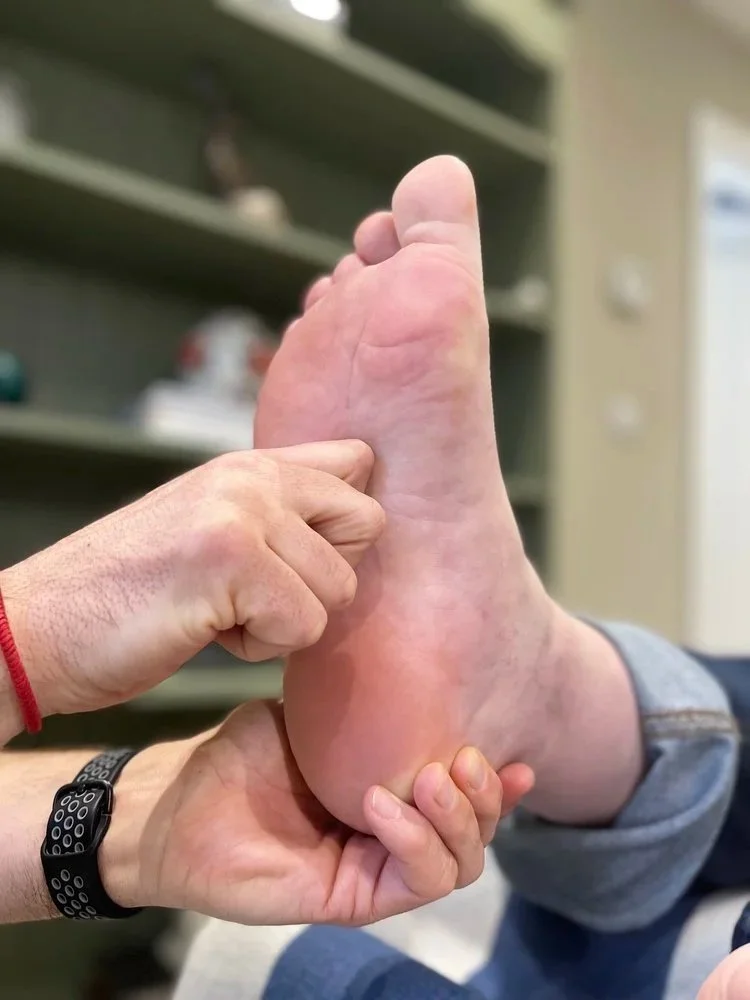
Reflexology is a gentle, non-invasive therapy that uses precise pressure on reflex points in the feet, hands and ears to support the body’s natural healing processes. At The Happy Mind Studio, James combines over two decades of clinical experience with a modern, mindful approach—integrating Advanced Reflexology techniques with breath-led relaxation and energetic balance.
Sessions take place in a calm, safe space designed to restore nervous system regulation, reduce stress and encourage deeper sleep and emotional clarity. Each treatment is personalised: James assesses your physical and emotional needs, explains the reflex map relevant to your concerns, and guides the session with intuitive touch and mindful presence. For those wanting deeper change, reflexology is offered alongside complementary practices such as Reiki and mindfulness coaching to support long-term wellbeing.
Suitable for all ages, Reflexology at The Happy Mind Studio is ideal if you’re seeking restorative self-care, relief from tension, or a supportive accompaniment to your personal development journey.
Reflexology: what it is and how it helps
Reflexology is a holistic therapy that applies targeted pressure to reflex points on the feet, hands and ears which correspond to organs, glands and systems in the body. It supports the body’s natural ability to restore balance, reduce stress and improve overall wellbeing.
Key benefits of reflexology
Deep relaxation and stress relief
Stimulates the parasympathetic nervous system to lower stress hormones, promote calm and improve sleep quality.
Improved circulation
Enhances blood and lymph flow, helping deliver oxygen and nutrients while assisting waste removal from tissues.
Pain reduction and symptom relief
Can relieve headaches, back pain, menstrual discomfort and muscular tension by reducing nerve sensitivity and encouraging natural pain modulation.
Boosted immune function
Supports immune response through improved circulation and stress reduction, helping the body to resist infection and recover more quickly.
Enhanced nervous system balance
Promotes regulation of the autonomic nervous system, which can improve digestion, heart rate variability and overall resilience to stress.
Support for specific conditions
Often used alongside conventional care to ease symptoms of anxiety, fibromyalgia, migraine, irritable bowel syndrome and menopausal symptoms.
Improved energy and vitality
Balancing reflex points can reduce fatigue and increase feelings of wellbeing and mental clarity.
Emotional and mental wellbeing
Creates a calming ritual that supports emotional processing, reduces anxiety and can help with depression-related symptoms when used as part of a wider care plan.
Non-invasive and suitable for many people
Gentle, safe and adaptable for most ages and health states; treatments can be tailored for pregnancy, older adults and those with chronic conditions (with appropriate precautions).
Encourages self-awareness and self-care
Sessions often include guidance on home practices and mindfulness that empower clients to continue nurturing their wellbeing between appointments.
What to expect in a session
A typical reflexology session lasts 45–75 minutes. You remain fully clothed while the practitioner uses thumbs, fingers and specialised tools to apply pressure to reflex points. Sessions begin with a brief consultation about health, lifestyle and goals so the treatment is tailored to your needs. Many people report deep relaxation during the session and mild, often temporary, sensations as the body rebalances afterwards.
Who benefits most
Reflexology is particularly helpful for people seeking stress reduction, better sleep, pain relief and complementary support for long-term conditions. It works well alongside medical or psychological care but is not a replacement for urgent medical treatment.
Practical notes
Frequency: Acute issues may benefit from weekly sessions; maintenance and wellbeing tend to be monthly or fortnightly.
Contraindications: Not suitable without medical advice for deep vein thrombosis, uncontrolled blood clotting disorders, active foot infections, or certain stages of pregnancy and cancer treatment—always disclose health history.
Complementary approach: Best used as part of a holistic plan including nutrition, movement, sleep hygiene and mindfulness practice.
If you’d like a personalised plan integrating reflexology with mindfulness and Reiki techniques to support a specific goal, describe your main concern and I’ll suggest a tailored approach.